

Research for Productive, Resilient & Sustainable Agriculture
Applied research connecting crop production, soil processes, water management, and precision technologies to improve agricultural productivity, resource efficiency, and environmental outcomes across diverse landscapes.
Agronomy
Crop production research focused on nutrient efficiency, crop diversification, resilience, and practical management systems.


Nitrogen Management and Nitrogen Use Efficiency
Developing nitrogen strategies that improve crop response and nitrogen-use efficiency while increasing the value of fertilizer inputs and reducing nitrogen losses.
15Nitrogen urea fertilizer fate in soil–water–plant pools for corn–soybean rotation with grass and legume cover crops.Optimizing nitrogen application rates for winter canola in Mississippi.Discrepancy between the crop yield goal rate and the optimum nitrogen rates for maize production in Mississippi.View full publication list →


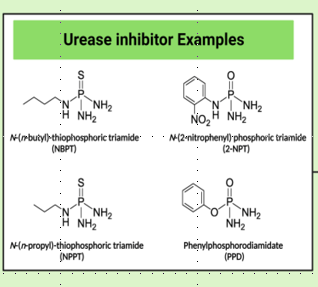
Enhanced-Efficiency Fertilizers and Nitrogen Stabilizers
Evaluating urease inhibitors, nitrification inhibitors, and stabilized nitrogen systems to improve fertilizer performance and retain nitrogen in crop production systems.

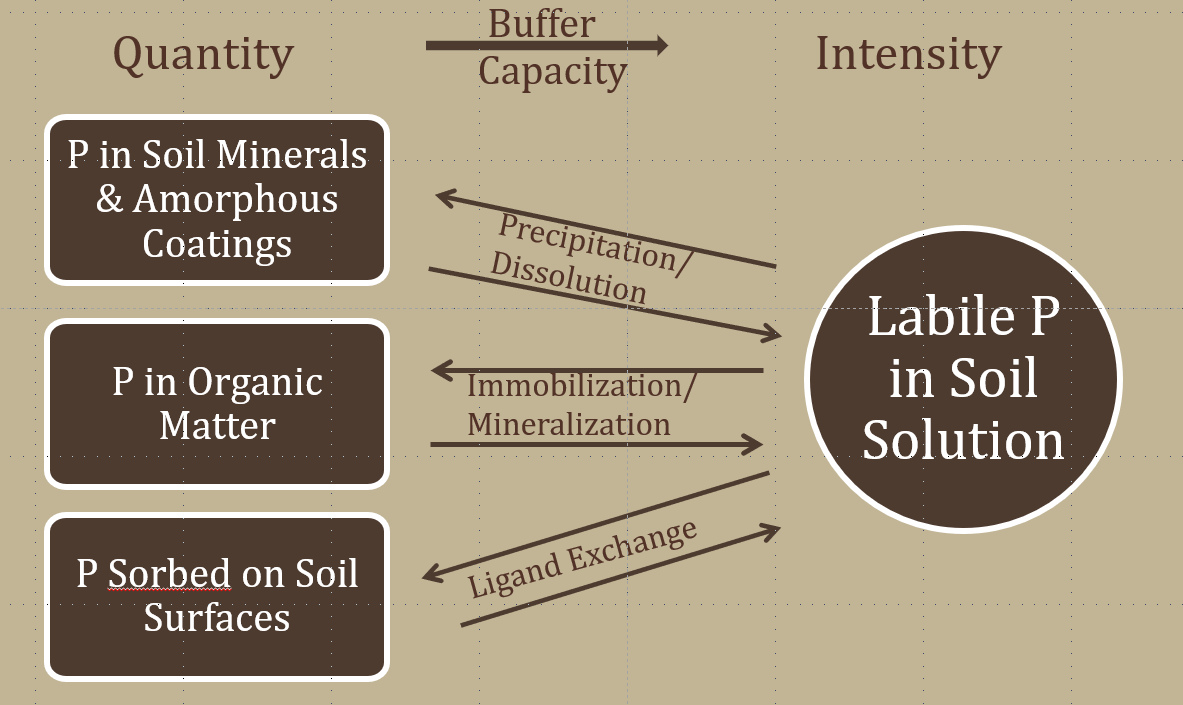


Phosphorus, Potassium and Sulfur Fertility
Improving phosphorus, potassium, and sulfur management through research on source, rate, timing, placement, and crop response across variable soils and landscapes.
Tillage and cover cropping influence phosphorus dynamics in soil and water pools.Spring applied phosphorus loss with cover crops in no-till terraced field.Impact of flue gas desulfurization gypsum applications to corn-soybean plots on surface runoff water quality.View full publication list →


Crop Rotation and Diversification
Evaluating diversified crop sequences and alternative rotations to improve productivity, profitability, nutrient cycling, soil health, and environmental performance.


Industrial Hemp Production
Developing agronomic production systems for industrial hemp, including management practices that support seed, fiber, and overall crop productivity in Missouri.


Soybean Flooding Tolerance and Resilience
Researching soybean responses to flooding and management strategies that improve recovery, yield stability, and resilience in water-stressed environments.


Crop Variety and Trait Evaluation
Evaluating crop varieties and traits under field conditions to identify characteristics associated with productivity, adaptation, and resilience.


Biostimulants and Crop Enhancement
Testing biological and biostimulant products to determine their effects on crop growth, nutrient use, stress response, and yield performance.


Cover Crops and Crop Production
Understanding how cover crop species, management, and integration with cash crops affect productivity, nutrient cycling, soil health, and system resilience.
Long-term effects of cover crops on soil carbon forms and stocks under no-till corn-soybean rotations in the Midwest USA.Cover crops and tillage effects on carbon-nitrogen pools: A lysimeter study.Cover crops and landscape positions mediate corn–soybean production.View full publication list →


Weed Management and Herbicide Systems
Developing practical weed-management approaches and herbicide systems that improve weed control while protecting crop productivity and production-system performance.
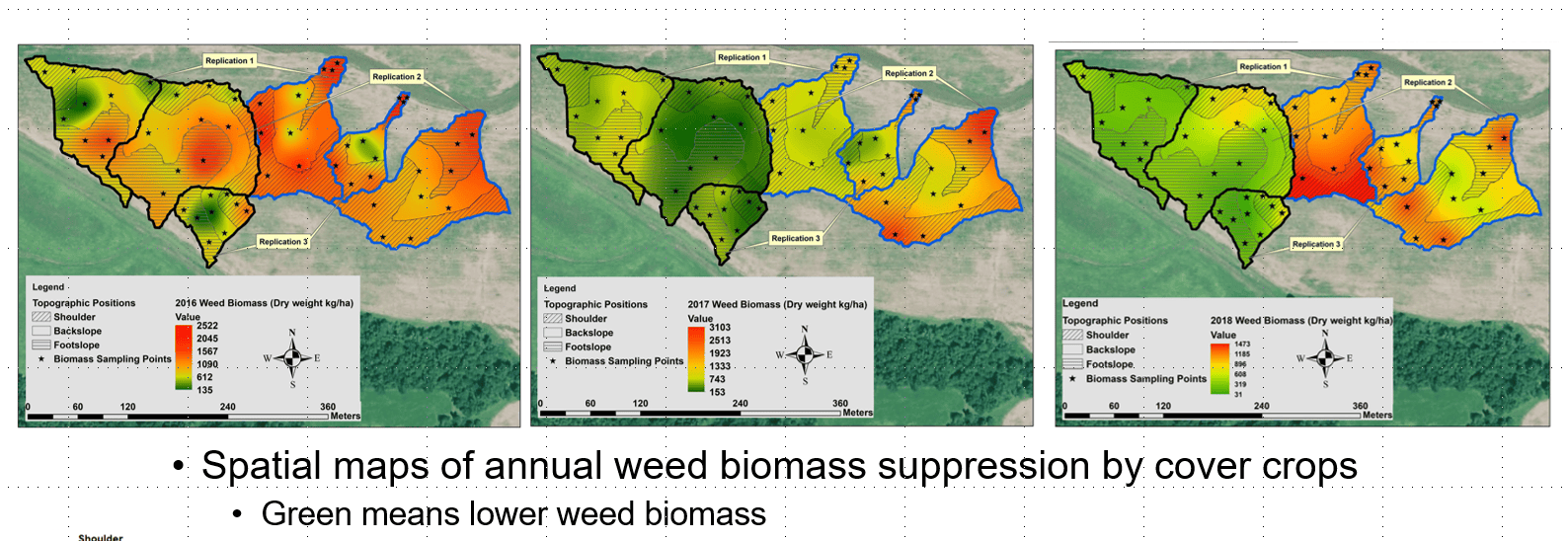
Radish management and grazing effects on weed control and corn response.Cover crops and topography differentially impact weeds at a watershed scale.Glyphosate-resistant Italian ryegrass (Lolium perenne L. spp. multiflorum) control and seed suppression in Mississippi.View full publication list →


High-Tech Crop Production Systems
Comparing technology-intensive and standard production systems to evaluate yield, input efficiency, profitability, and opportunities for modernizing crop production.
Soil Science
Research linking soil health, fertility, nutrient cycling, carbon, erosion, and soil sensing to long-term agricultural productivity.


Soil Health Management
Evaluating integrated management practices that improve soil biological, chemical, and physical function while supporting crop productivity and ecosystem services.


Soil Fertility and Nutrient Cycling
Investigating how nutrients move through soil–plant systems and how management can improve nutrient availability, retention, and use efficiency.
15Nitrogen urea fertilizer fate in soil–water–plant pools for corn–soybean rotation with grass and legume cover crops.Cover crops and landscape position effects on nitrogen dynamics in plant-soil-water pools.Cover crops and tillage influence on nitrogen dynamics in plant-soil-water pools.View full publication list →

¹⁵N Fertilizer Fate and Nitrogen Leaching
Tracing fertilizer-derived nitrogen through soil and water to quantify nitrogen retention, transformation, and movement beyond the crop root zone.


Soil Organic Carbon and Carbon Markets
Quantifying soil carbon and exploring how agricultural management and crop rotations influence carbon storage and emerging carbon-market opportunities.


Soil Amendments and Biological Soil Processes
Assessing soil amendments and biological processes that influence soil function, nutrient availability, crop response, and long-term soil quality.

Soil Testing and Decision-Support Tools
Developing practical soil-test interpretation and decision-support approaches that translate soil measurements into actionable nutrient and management recommendations.


Soil Health Sensors and Spectroscopy
Advancing rapid soil characterization through sensors and spectroscopy to measure soil properties and biological indicators for scalable soil management.


Management of Highly Erodible Soils
Developing conservation and soil-management systems that reduce erosion while maintaining agricultural productivity on vulnerable landscapes.


Phosphorus Loss and Nutrient Management
Improving phosphorus management and understanding nutrient-loss pathways to protect water resources while maintaining crop productivity.
Water Management
Research on irrigation, drainage, terraces, watershed conservation, water quality, and crop resilience under variable water conditions.


Terrace and Blind Inlet Technologies
Evaluating terraces and innovative blind-inlet technologies to reduce sediment, nutrient, and herbicide movement while improving environmental performance of agricultural landscapes.


Channel Tiling and Subsurface Drainage
Assessing subsurface drainage and channel-tile systems for managing excess water, improving field trafficability, supporting crop productivity, and reducing nutrient losses.
Drainage Water Management, Woodchip Bioreactor, and Saturated Riparian Buffer as Stacked Conservation Practices for Improving Crop Yields and Water Quality.Subsurface drainage and nitrogen management affect corn and soybean yield in claypan soils in upstate Missouri.Subsurface drainage and subirrigation for increased corn production in river-bottom soils.View full publication list →


Irrigation Management and Water-Use Efficiency
Optimizing irrigation timing, systems, and management to improve water-use efficiency, crop productivity, and economic returns while protecting water resources.


Water Quality and Agricultural Conservation
Measuring how agricultural management and conservation practices affect water quality and developing strategies to reduce nutrient and sediment losses.
Drainage Water Management, Woodchip Bioreactor, and Saturated Riparian Buffer as Stacked Conservation Practices for Improving Crop Yields and Water Quality.Cover crop impacts water quality in a tile-terraced no-till field with corn-soybean rotation.Impact of flue gas desulfurization gypsum applications to corn-soybean plots on surface runoff water quality.View full publication list →


Saturated Buffers and Nutrient Loss Reduction
Evaluating saturated buffers and related edge-of-field practices for intercepting nutrient losses and improving the quality of agricultural drainage water.


Watershed-Scale Water Quality
Connecting field management to watershed-scale water quality through monitoring, conservation evaluation, and assessment of surface- and groundwater responses.


Flooding and Crop Resilience
Understanding crop and soil responses to excess water and developing management approaches that improve agricultural resilience following flooding events.


Drought Preparedness and Climate Resilience
Developing agricultural management strategies that help crops and soils maintain productivity under drought, heat, and increasing weather variability.


Conservation Systems for Erodible Landscapes
Integrating conservation practices, landscape-position management, and cropping systems to reduce erosion and improve productivity on vulnerable agricultural soils.
Precision Agriculture
Using spatial data, sensors, UAVs, remote sensing, and intelligent decision tools to make agricultural management more precise and efficient.


Precision Nitrogen Management
Using spatial variability, field data, and targeted application strategies to improve nitrogen decisions, reduce over-application, and increase nitrogen-use efficiency.
Effects of conservation practices on rainfed maize yield, furrow water infiltration, and soil moisture for surface sealing loam soils in the Yazoo‑Mississippi Delta.Cover crop impact on crop production and nutrient loss in a no-till terrace topography.View full publication list →


UAV and Drone-Based Agriculture
Applying UAVs and drone-based imaging to monitor crops, characterize field variability, document research, and support timely agricultural decisions.


UAV Spraying Systems
Evaluating UAV-based spraying systems and application strategies to improve field-scale delivery, coverage, efficiency, and precision of crop inputs.


Sensor-Based Crop Management
Using field sensors and crop measurements to characterize spatial and temporal variability and support more responsive crop-management decisions.


GeoAI and Environmental Intelligence
Integrating geographic data, artificial intelligence, and environmental measurements to understand landscape variability and improve agricultural decision-making.


Remote Sensing and Spectroscopy
Using optical, near-infrared, and related sensing technologies to rapidly characterize crops, soils, and field conditions for agricultural research.


Precision Irrigation
Applying spatial and sensor-based information to improve irrigation timing, targeting, and water-use efficiency across variable agricultural fields.


Precision Equipment and Field Research
Integrating precision equipment and field-scale technologies into research to test management strategies under realistic production conditions.


Data-Driven Agricultural Decision Support
Turning field observations, spatial datasets, sensors, and research results into practical tools that support better agricultural management decisions.